
Asia
-
When Plantations Stop Looking Like Plantations: Fire, Plantation Logics, and Forest Use in the Uttarakhand Himalaya
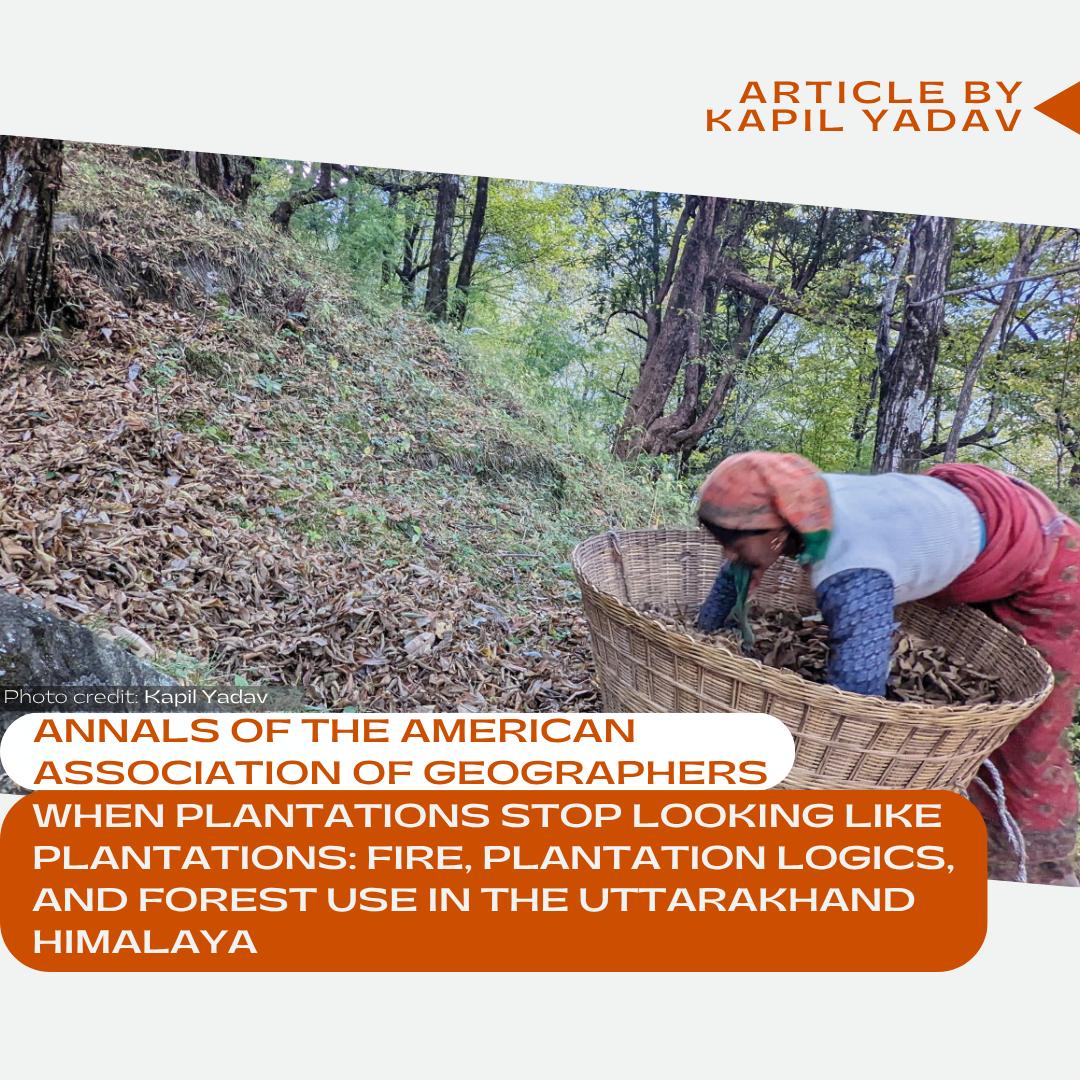
Kapil Yadav (CASAS’ member) has published this article in the Annals of the American Association of Geographers. Abstract: This study examines forest fires in the Indian Himalayan state of Uttarakhand by shifting attention from ignitions to the historical production of flammable landscapes. It situates contemporary fire regimes within longer histories of landscape transformation and everyday…
-
Between compliance and contestation: Entanglements of co-option and resistance in the China-Pakistan Economic Corridor
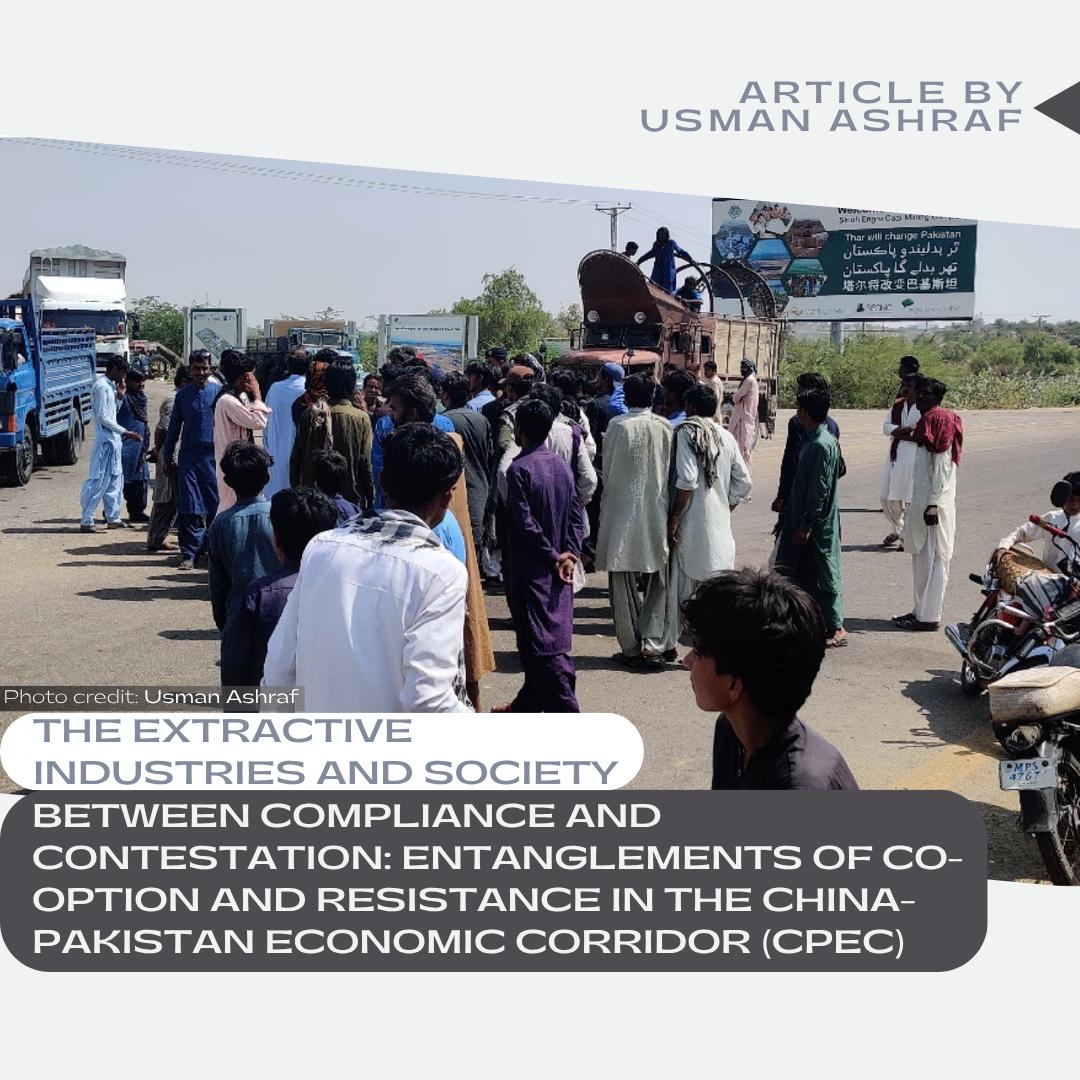
CASAS’ member Usman Ashraf has published this article in The Extractive Industries and Society journal. Abstract: This research demonstrates that co-option and resistance in extractive sectors are not mutually exclusive, but rather, they are co-produced and coexist as messy entanglements. The type of resistance analyzed here did not seek a mine closure but was instead…
-
Epistemic evictions of nomadic pastoralists: policy promises for the children of the Bakarwal tribe in Jammu & Kashmir
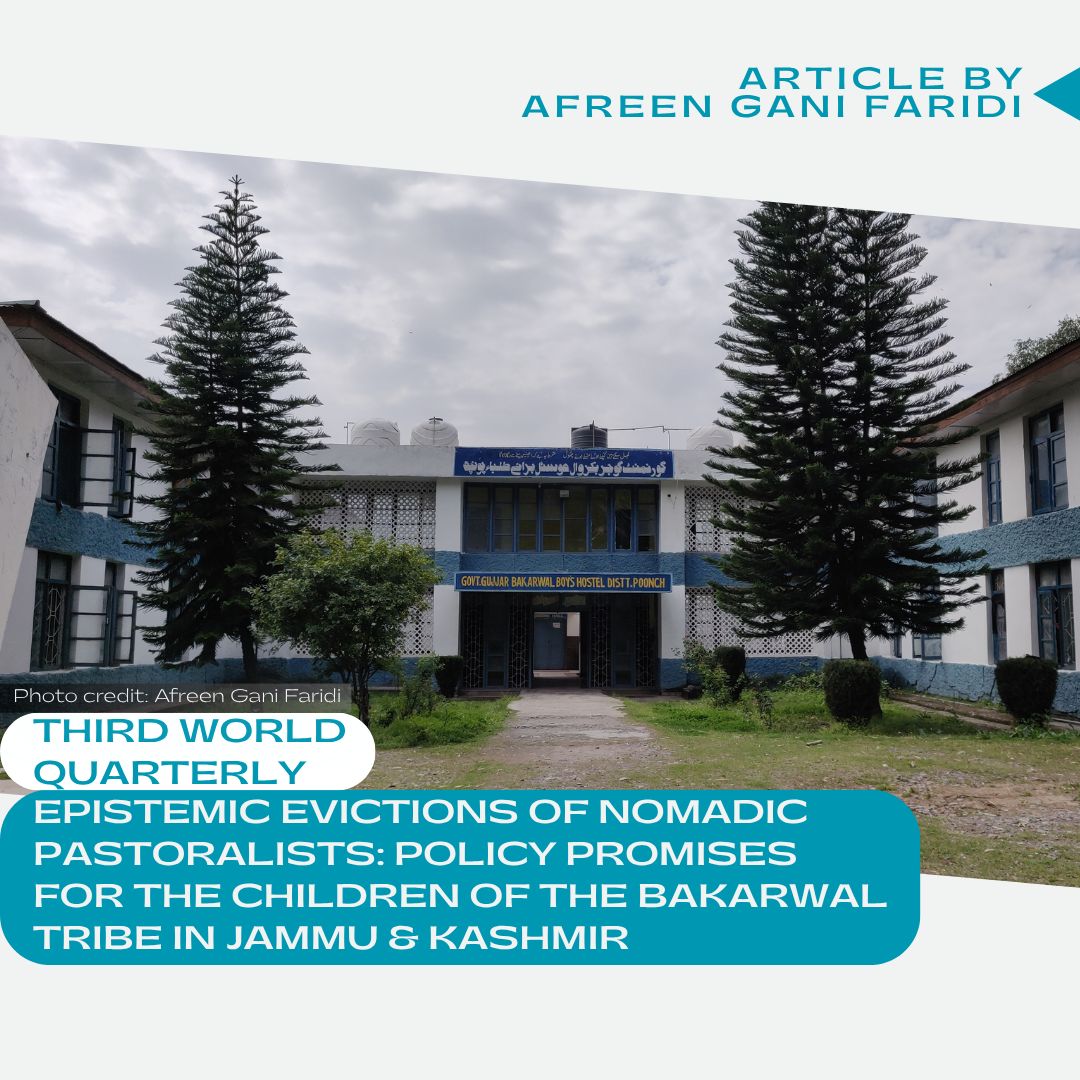
New publication alert! CASAS’ member Afreen Gani Faridi has just published this article in Third World Quarterly. This paper explores the issue of hegemonic bias in education policies which invisibilises the lived environment of pastoralists Abstract: The erstwhile state of Jammu and Kashmir is home to one of the largest pastoral transhumance communities in the…
-
Everyday land speculation without production in state-led urbanization: The case of Indonesia’s new capital city
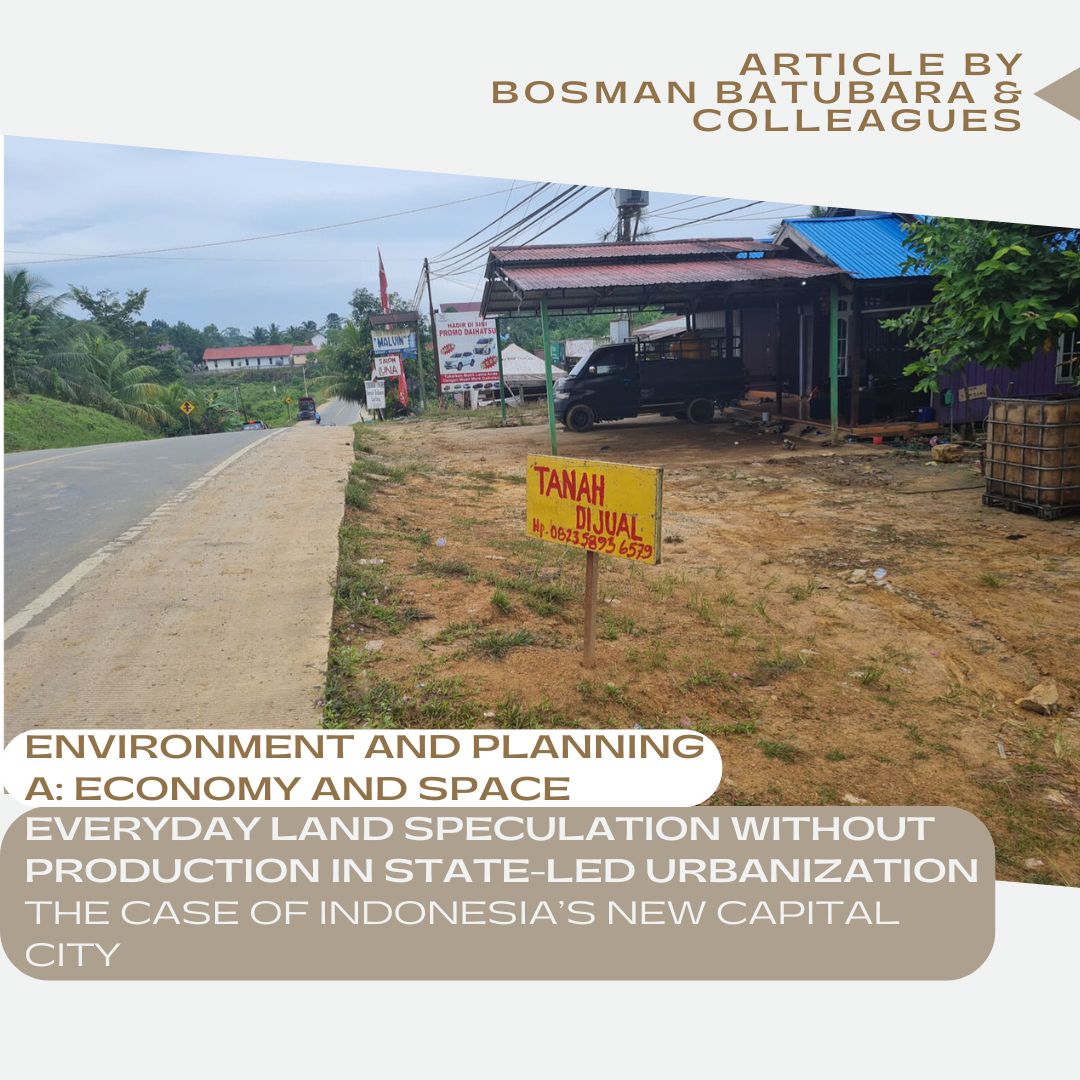
CASAS’ member Bosman Batubara has published this paper with Kei Otsuki, Femke Van Noorloos & Michelle Kooy in Environment and Planning A: Economy and Space. Abstract: Indonesia’s new capital city construction is inducing state-led urbanization in the absence of private investments. Reports show the impacts of this process as a rapid land price increase and…