Asia
-
From One River to Another
CASAS’ member Juliana Forigua has produced a Video Messages Collection with Catalina Rey-Hernández, Lieke Kiekebosch, Jhonny Vargas, Daniele Tubino de Souza, and Arcadio M. Lanz. From One River to Another is a collection of video messages from people defending the Indrayani River in India, the Magdalena River in Colombia, and the Berkel River in Germany.…
-
From co-presence to zoning: Dayak Iban–orangutan relations and everyday territorialization in West Kalimantan
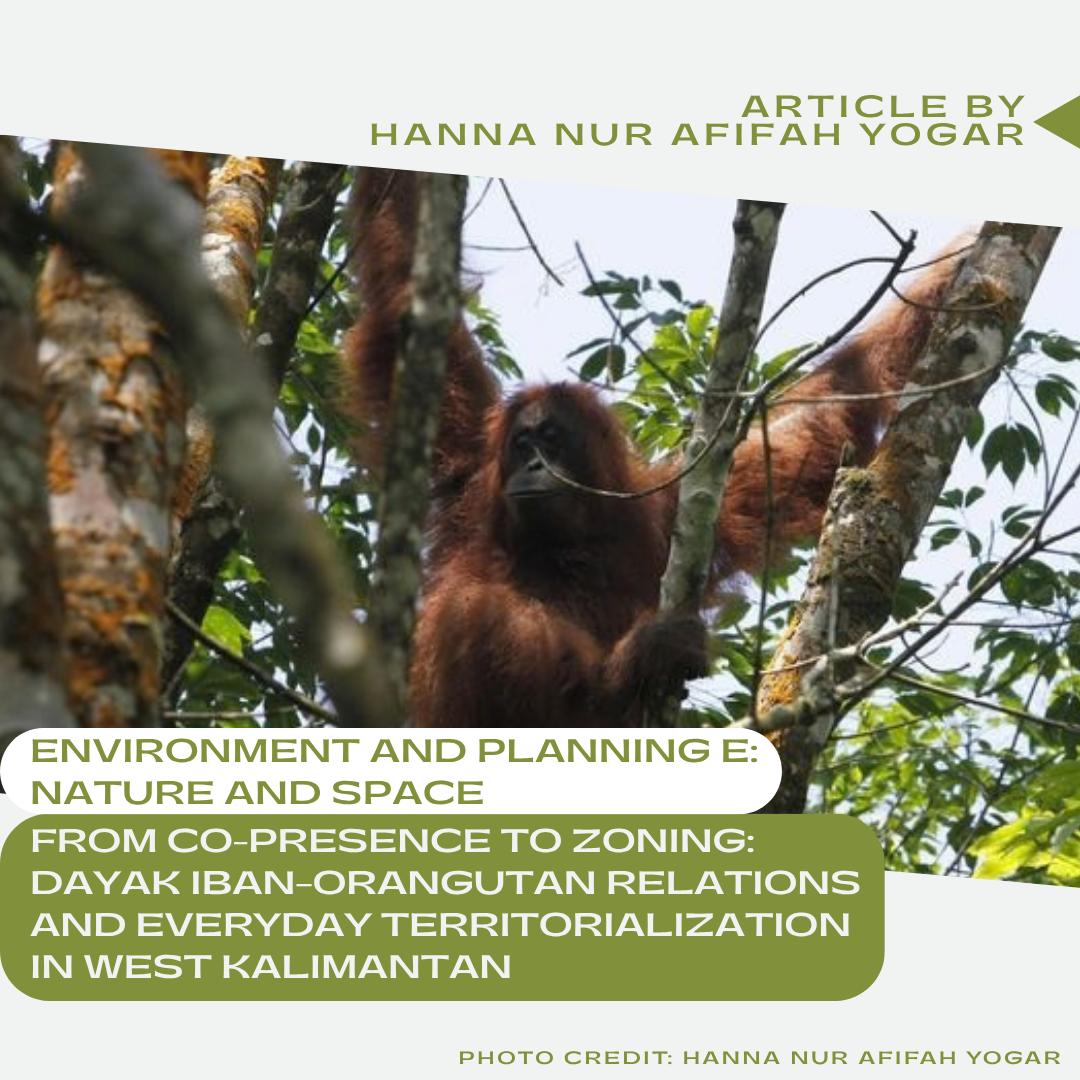
CASAS’ member Hanna Nur Afifah Yogar has published this paper in Environment and Planning E: Nature and Space. Abstract: This study examines how overlapping territorial regimes, specifically state conservation zoning, industrial plantation frontiers, and customary tenure, generate divergent socio-ecological pathways and human–orangutan relations in two Dayak Iban communities in West Kalimantan, Indonesia. Utilizing a retroductive…
-
Why Fire Suppression Persists: Territorial Politics and the Criminalisation of Fire in India’s Political Forests
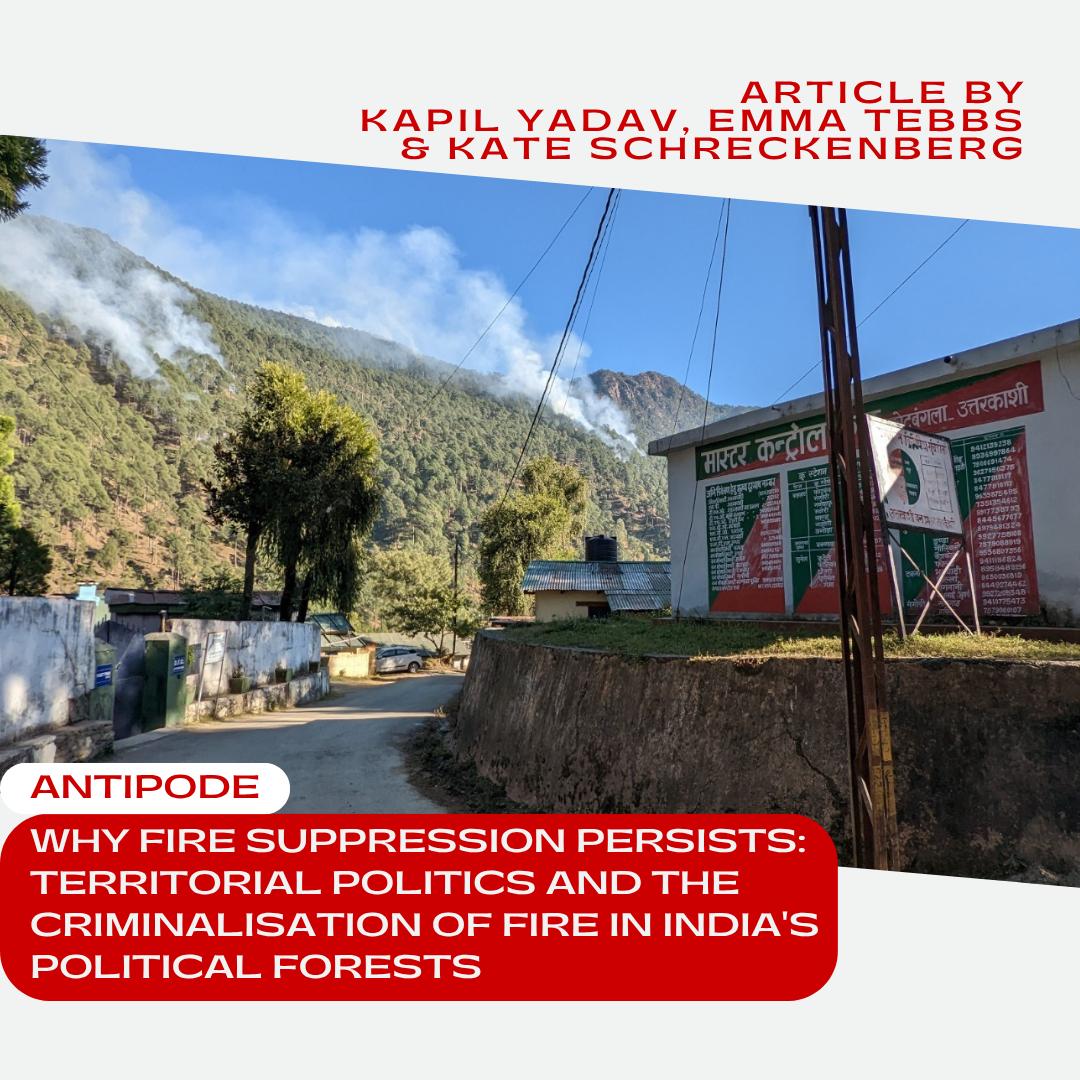
CASAS’ member Kapil Yadav has published this article with Emma Tebbs & Kate Schreckenberg in Antipode. Abstract: Why does fire suppression remain central to forest governance globally, despite the increasing recognition of fire’s ecological and livelihood significance? This study examines the persistence of fire suppression in India, arguing that it continues not for ecological reasons…
-
When Climate Risk Meets Green Development: Rethinking Climate Justice in the Hindu Kush Himalaya (HKH)

CASAS’ member Somashree Das wrote this piece about an intriguing question: to what extent can green development become true climate action when it is increasingly exposed to the climate crisis? The Hindu Kush Himalaya (HKH) is increasingly on the front lines of the climate crisis. In recent years, the region has witnessed a succession of…