Africa
-
Agrarian Social Movements and the Challenge to Corporate Power in Food and Agriculture Systems in Southern Africa
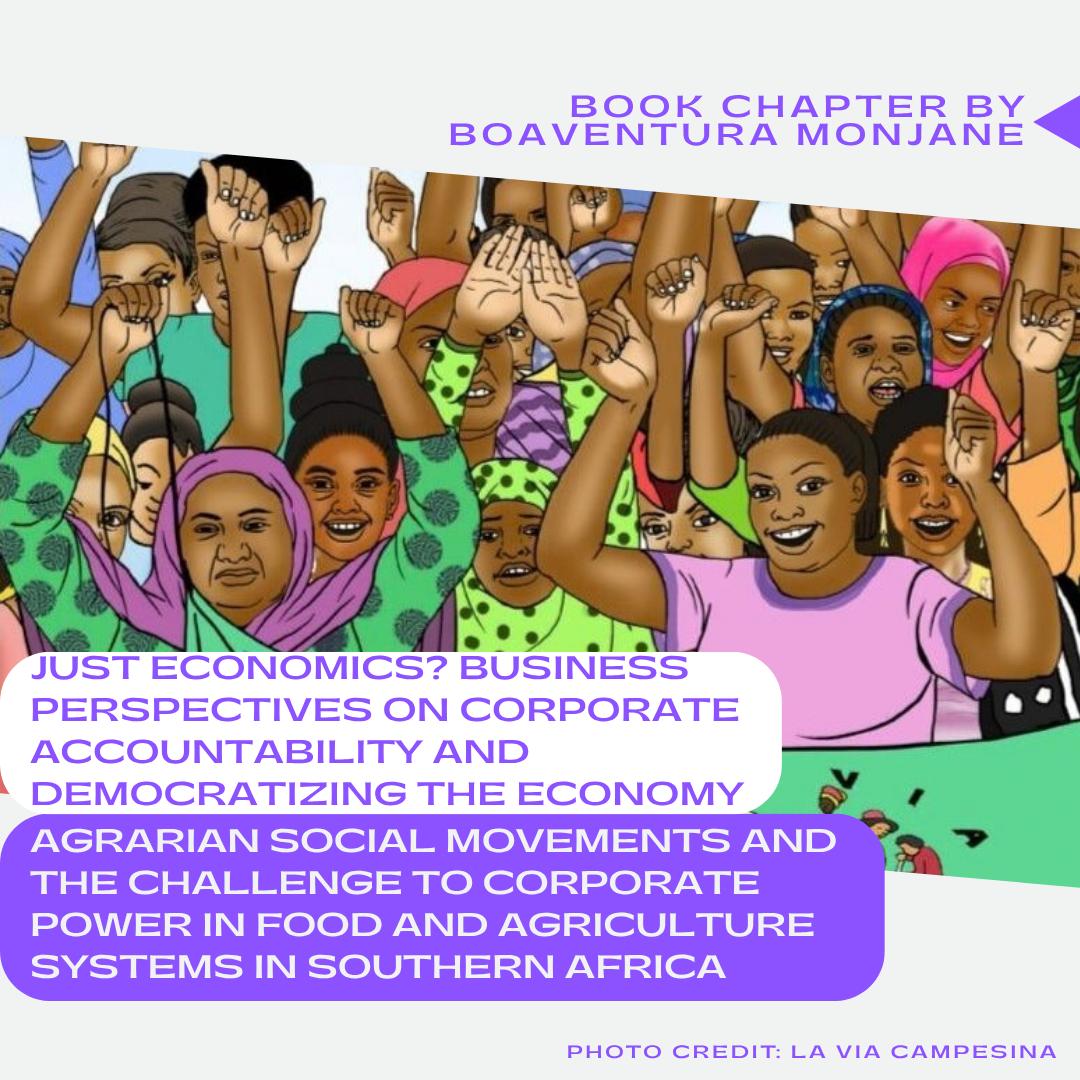
Boaventura Monjane (CASAS’ member) has written this chapter in the book “Just Economics? Business Perspectives on Corporate Accountability and Democratizing the Economy”. Abstract: This chapter examines the proactive roles of agrarian social movements involved in food production and trade in Southern Africa in addressing corporate accountability for human and environmental rights violations, with a particular…
-
Rural women and coping with extreme heat in South Western Zimbabwe: livelihoods, water and energy
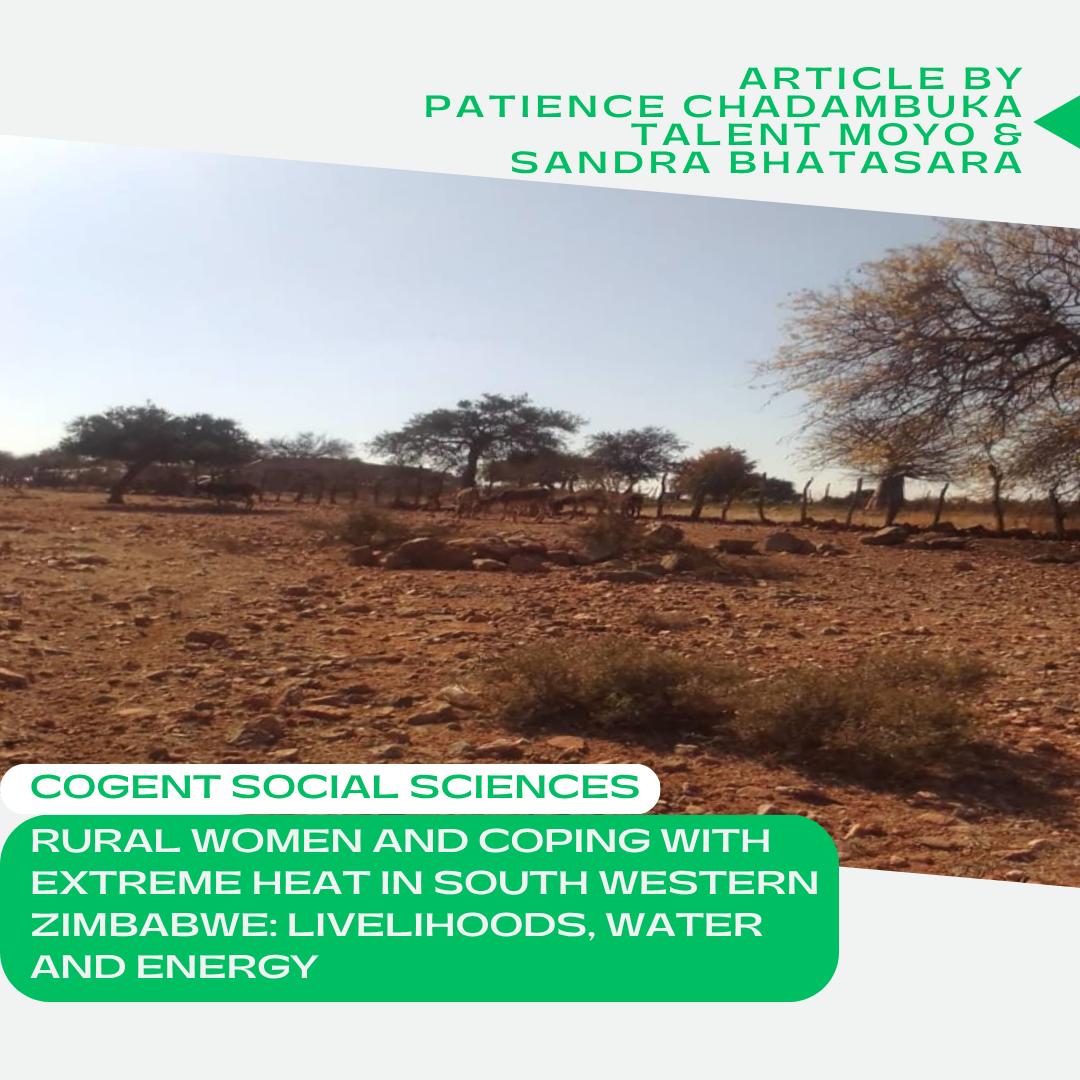
Patience Chadambuka (CASAS’ member) has published this article with colleagues Talent Moyo & Sandra Bhatasara in Cogent Social Sciences. Abstract: This article focuses on rural women’s agency and innovation in the context of the global acceleration of climate change-induced extreme heat. Specifically, it considers the intersecting challenges encountered in relation to livelihoods, water, and energy,…
-
Financing critical-mineral infrastructure in Sub-Saharan Africa: Developmental de-risking or green financial extractivism in the DRC and Zimbabwe?

Kennedy Manduna (CASAS’ member) and Paul Mukoki have published this paper in Resources Policy. Abstract: The global shift towards low-carbon energy systems has heightened demand for copper, cobalt, and lithium, driving investment in African mineral projects. However, developmental outcomes are shaped not only by extraction and processing but also by the financial structures underpinning these…
-
The South African Negrophobia: Sub-imperial Blowback, Scapegoating and a Major Threat to Continental Unity
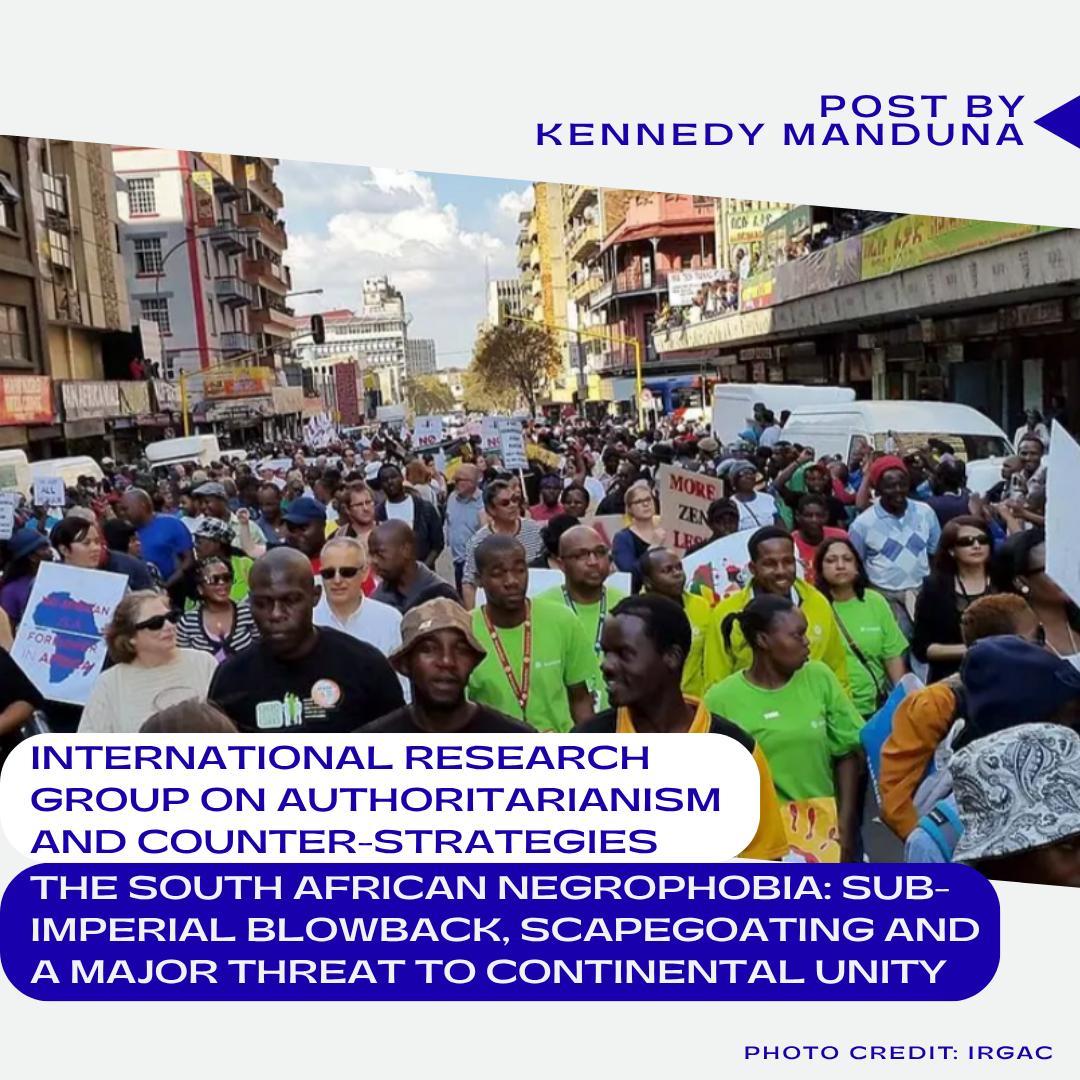
CASAS’ member Kennedy Manduna has published this post in the site of the International Research Group on Authoritarianism and Counter-Strategies. Abstract: South Africa’s recurring xenophobic violence is not an isolated outbreak but a symptom of deeper structural fractures — economic inequality, political scapegoating, and the legacy of sub-imperial dominance. As retaliatory boycotts and legal challenges…