News
-
WEBINAR: pESTICIDES AND INEQUALITES
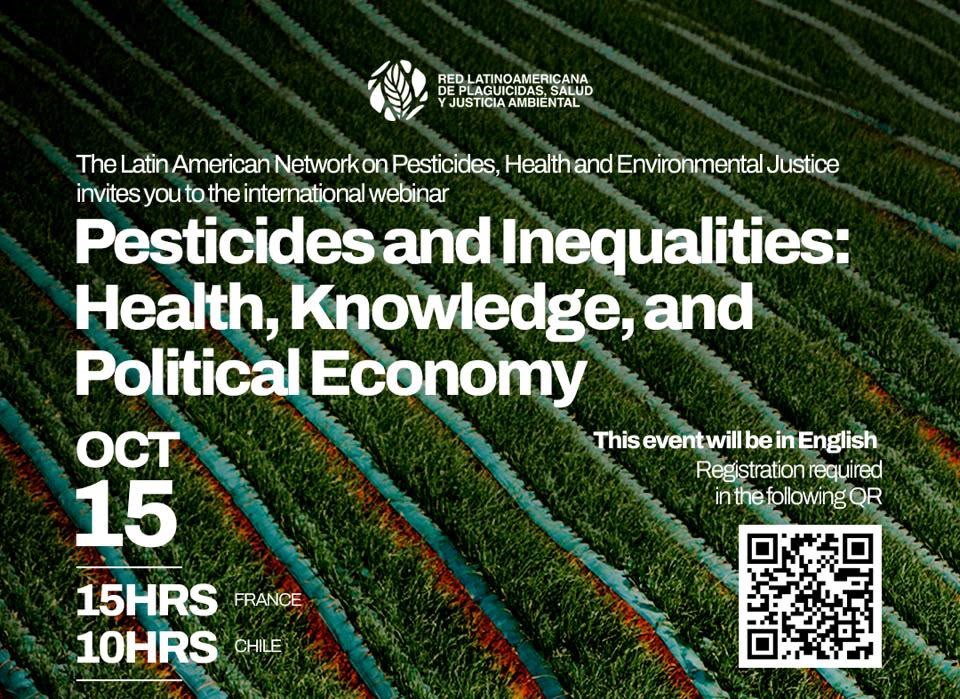
CASAS’ member Yunan Xu and Soledad Castro are presenting in the webinar “Pesticides and inequalities: health, knowledge and political economy” organized by The Latin-American Network on Pesticides, Health and Environmental Justice. The webinar will be moderated by another CASAS’ member Grettel Navas, and they will be joined by Jean-Noël Jouzel (Sciences Po, Paris), and Rafael…
-
Contract farming and social movements
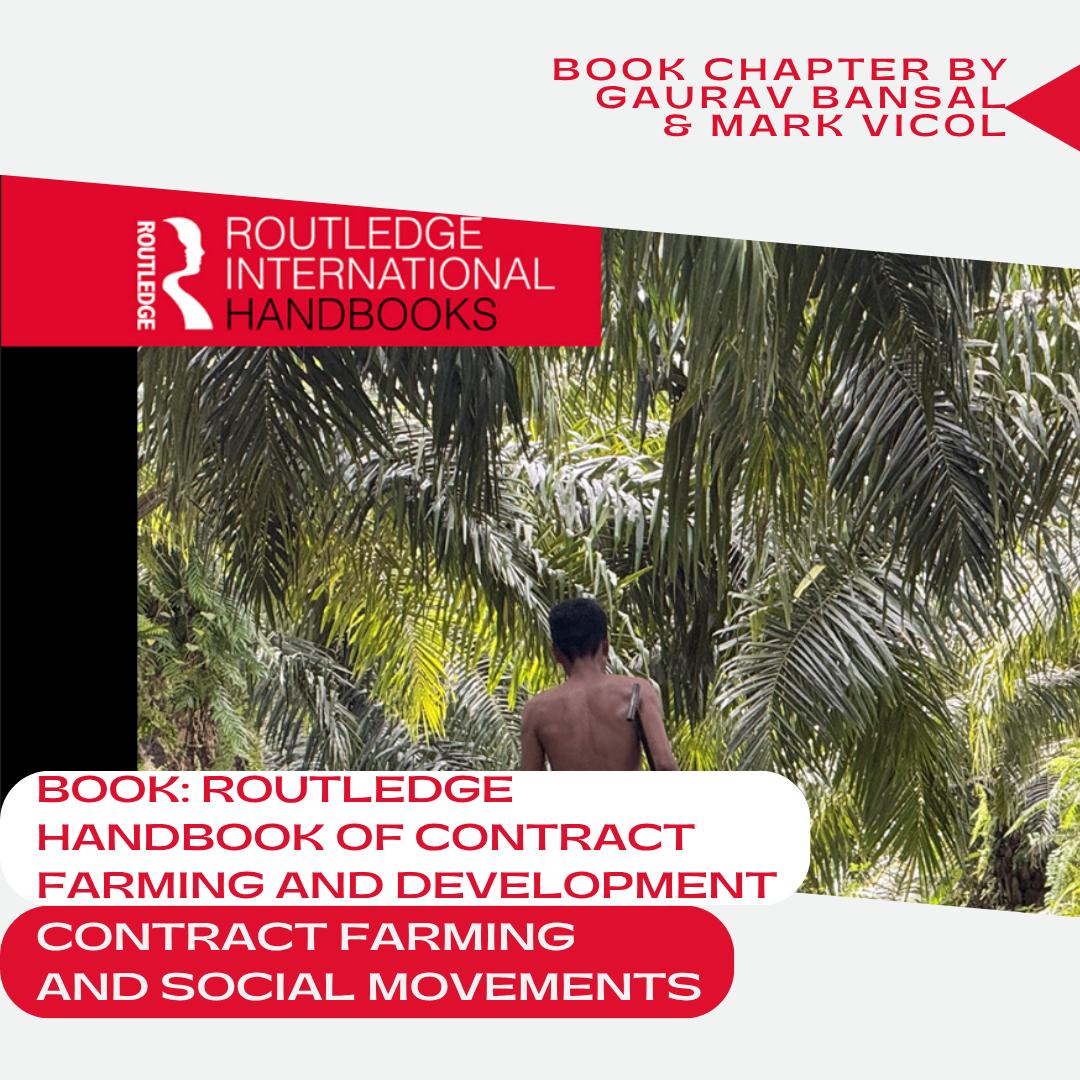
Gaurav Bansal (CASAS’ member) and Mark Vicol have published a chapter in the Routledge Handbook of Contract Farming and Development. Abstract: This chapter examines how rural-agrarian social movements in the Global South have responded to the growing prevalence of contract farming (CF) arrangements. While the dominant understanding is that social movements tend to see CF…
-
The Political Economy of Land Grabbing and Deforestation in Times of Peace and War: Lessons from the Colombian Amazon (2016–2024)
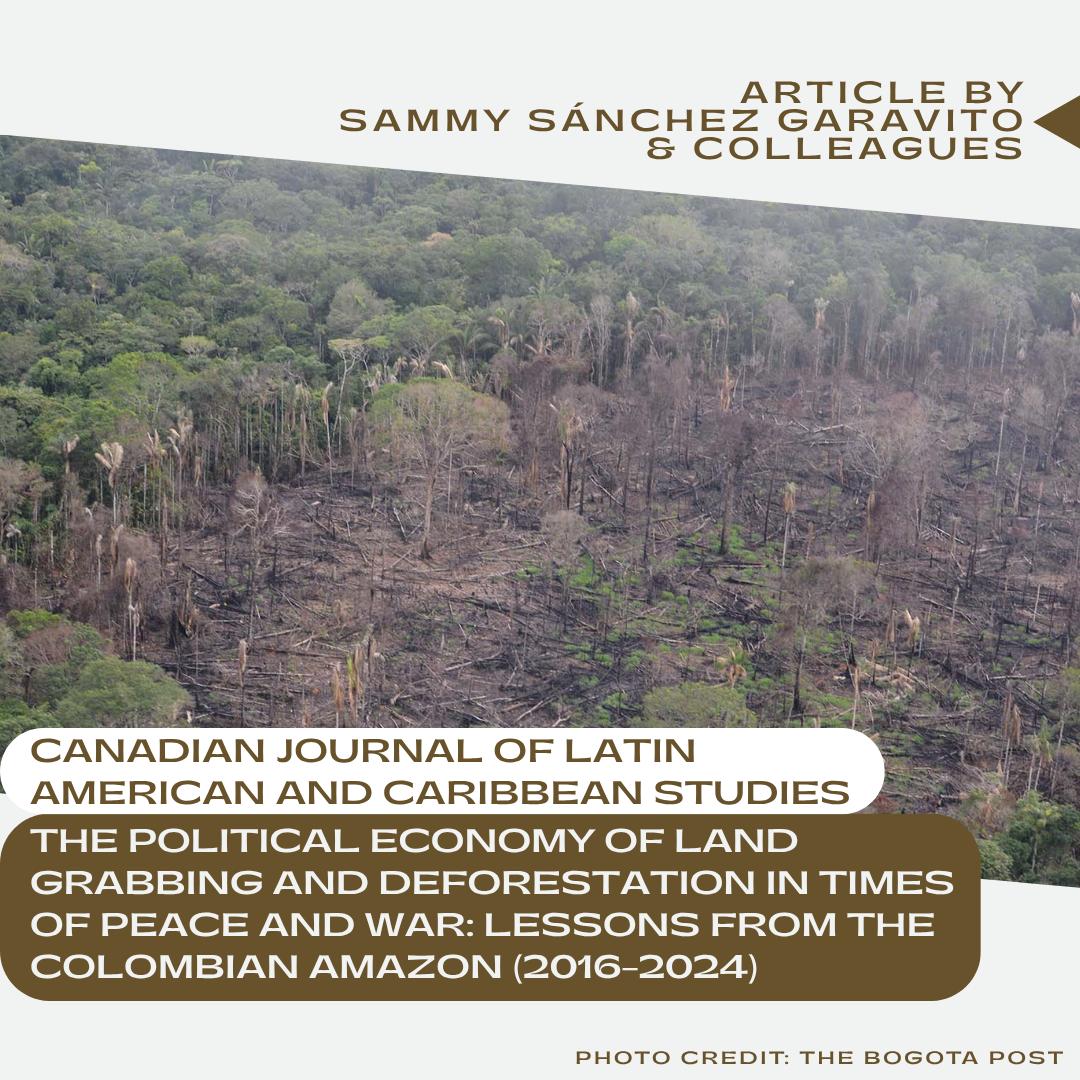
CASAS’ member Sammy Sánchez Garavito has published this article in Spanish with Sebastián Gómez Zúñiga, Daniela Mosquera-Camacho & Daniel Ortiz Gallego in the Canadian Journal of Latin American and Caribbean Studies. Abstract: This article analyzes land grabbing and deforestation in the Colombian Amazon from a political economy perspective, focusing on the changes that occurred after…
-
Governing uncertainty through mobility and commoning: Lessons from transhumant pastoralism in the Argentine Andes
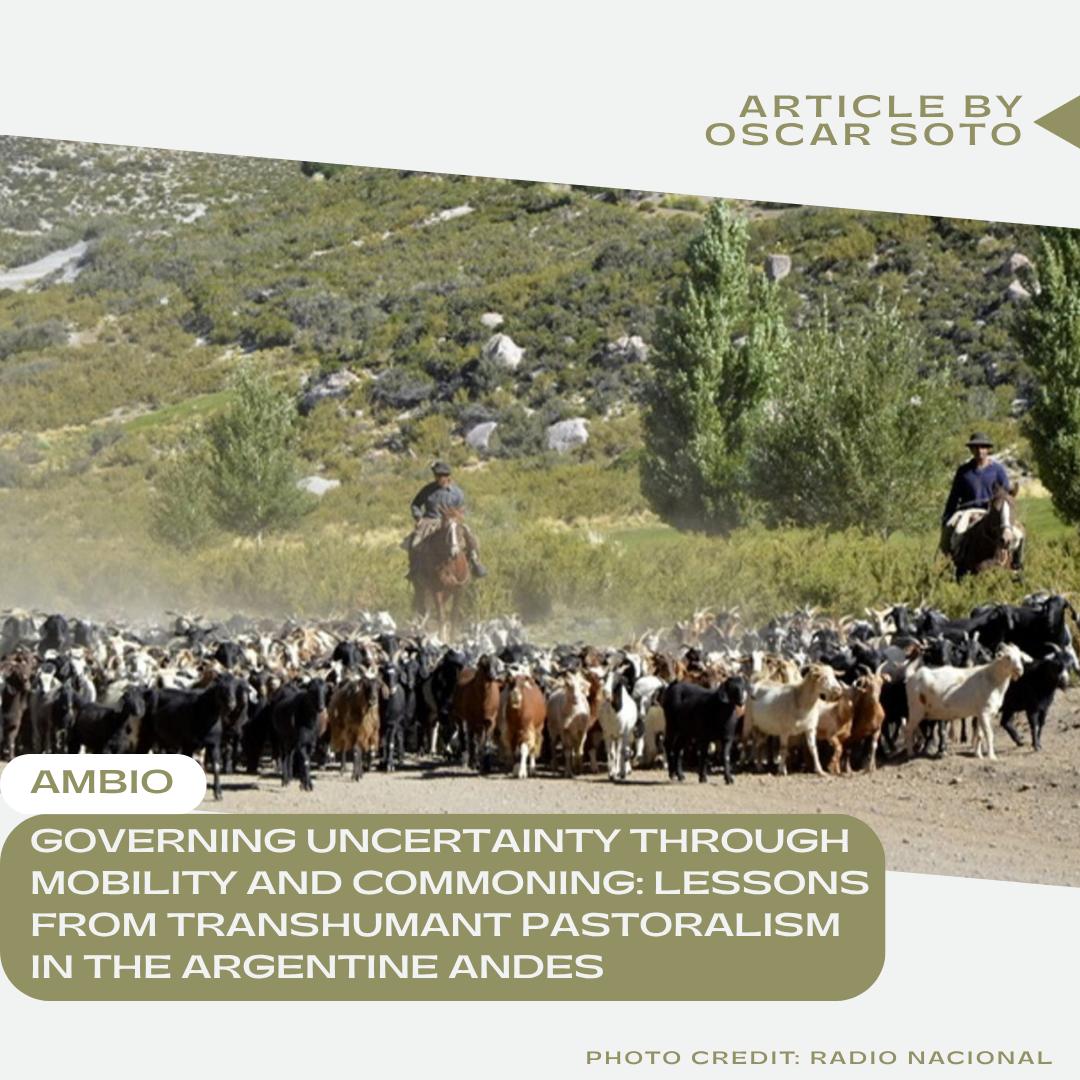
Oscar Soto, CASAS’ member, has published this article in Ambio journal. Abstract: Rural sustainability policies often fail in territories shaped by ecological variability and mobile livelihoods, as they assume stability, fixed land use, and technical control. This article examines transhumant goat pastoralism in Malargu¨e, Argentine Andes, as a situated response to uncertainty and a source…