India
-
From One River to Another
CASAS’ member Juliana Forigua has produced a Video Messages Collection with Catalina Rey-Hernández, Lieke Kiekebosch, Jhonny Vargas, Daniele Tubino de Souza, and Arcadio M. Lanz. From One River to Another is a collection of video messages from people defending the Indrayani River in India, the Magdalena River in Colombia, and the Berkel River in Germany.…
-
Why Fire Suppression Persists: Territorial Politics and the Criminalisation of Fire in India’s Political Forests
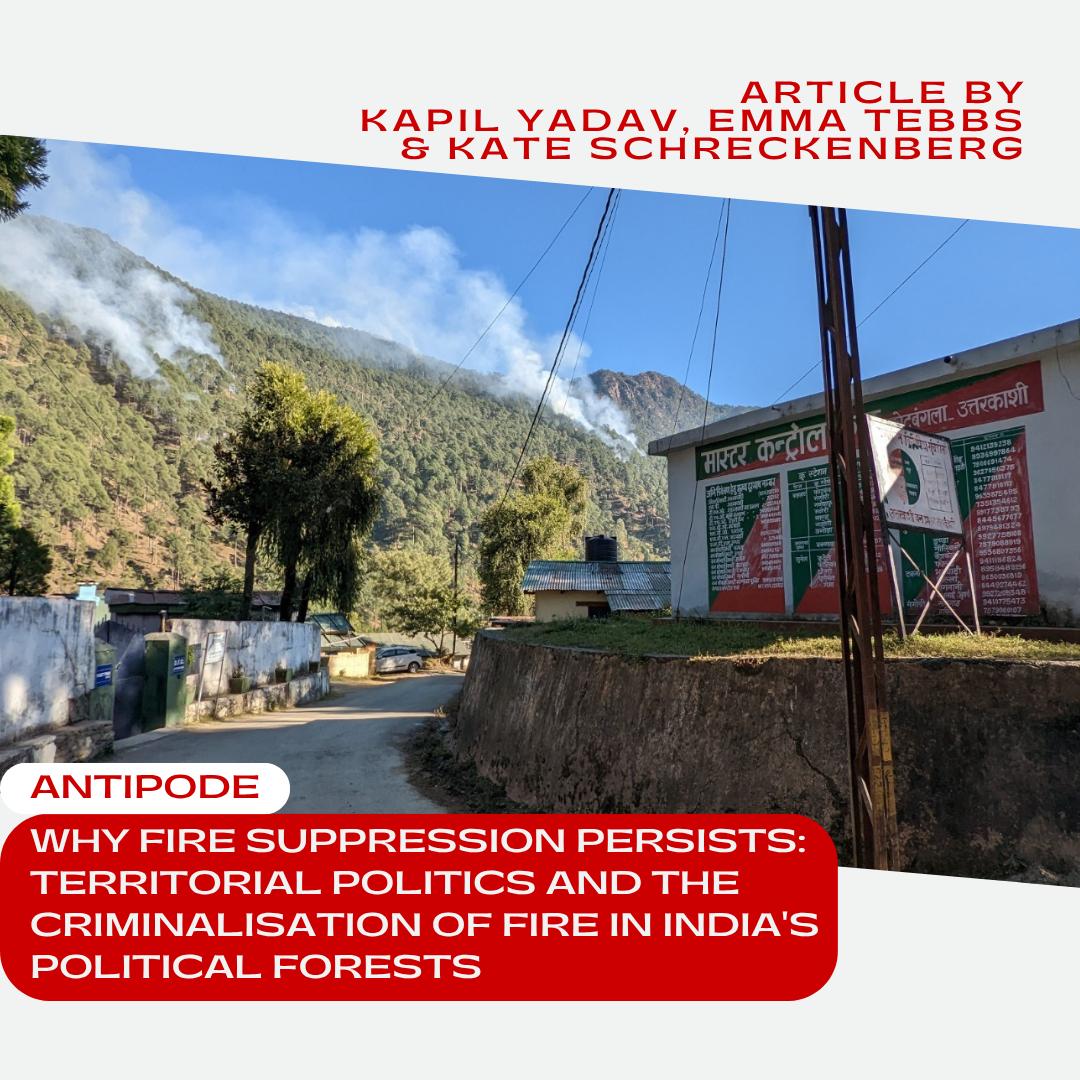
CASAS’ member Kapil Yadav has published this article with Emma Tebbs & Kate Schreckenberg in Antipode. Abstract: Why does fire suppression remain central to forest governance globally, despite the increasing recognition of fire’s ecological and livelihood significance? This study examines the persistence of fire suppression in India, arguing that it continues not for ecological reasons…
-
Contract farming and social movements
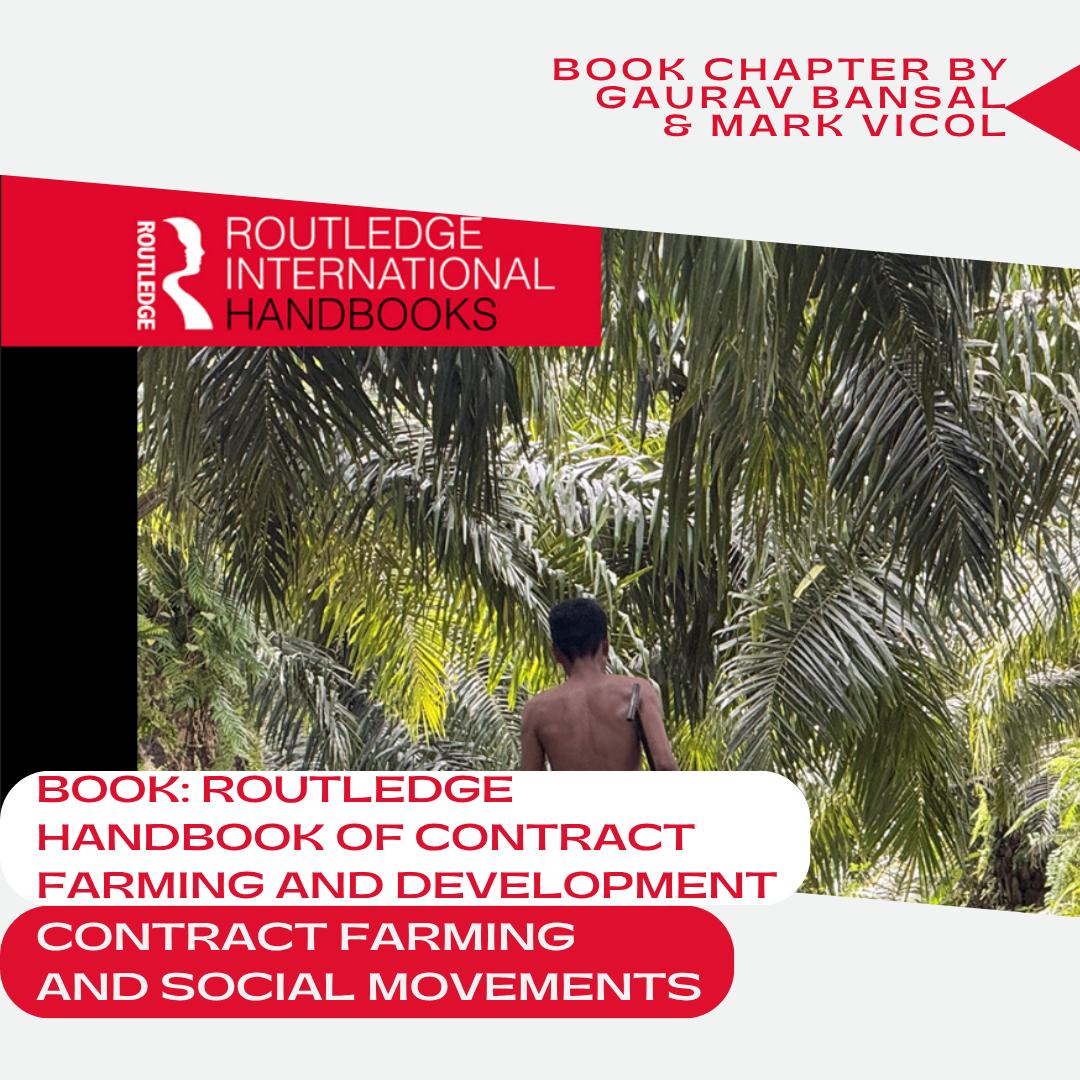
Gaurav Bansal (CASAS’ member) and Mark Vicol have published a chapter in the Routledge Handbook of Contract Farming and Development. Abstract: This chapter examines how rural-agrarian social movements in the Global South have responded to the growing prevalence of contract farming (CF) arrangements. While the dominant understanding is that social movements tend to see CF…
-
When Plantations Stop Looking Like Plantations: Fire, Plantation Logics, and Forest Use in the Uttarakhand Himalaya
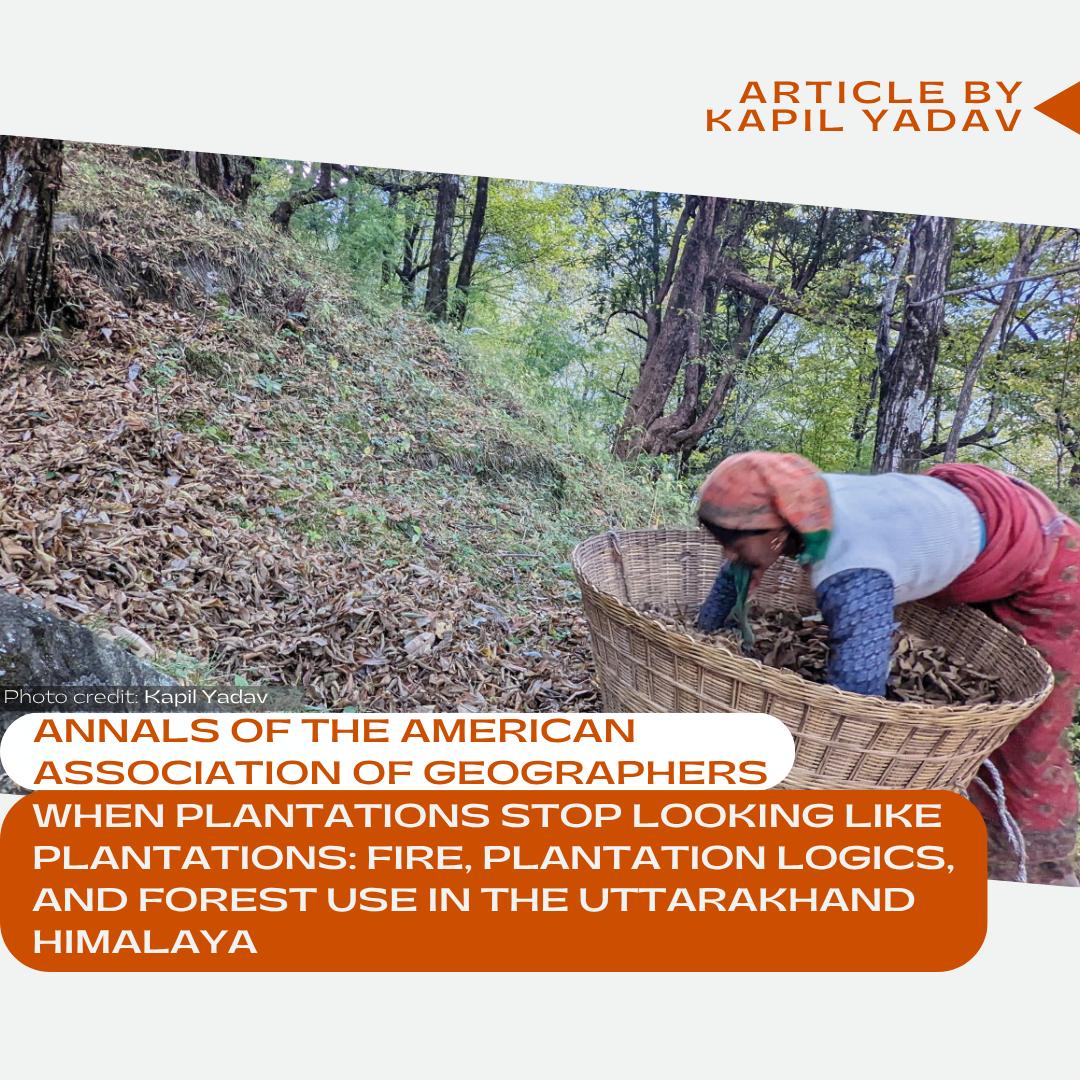
Kapil Yadav (CASAS’ member) has published this article in the Annals of the American Association of Geographers. Abstract: This study examines forest fires in the Indian Himalayan state of Uttarakhand by shifting attention from ignitions to the historical production of flammable landscapes. It situates contemporary fire regimes within longer histories of landscape transformation and everyday…