CASAS
-
The Landless Rural Workers Movement (MST) and New Agrarian Questions in Brazil
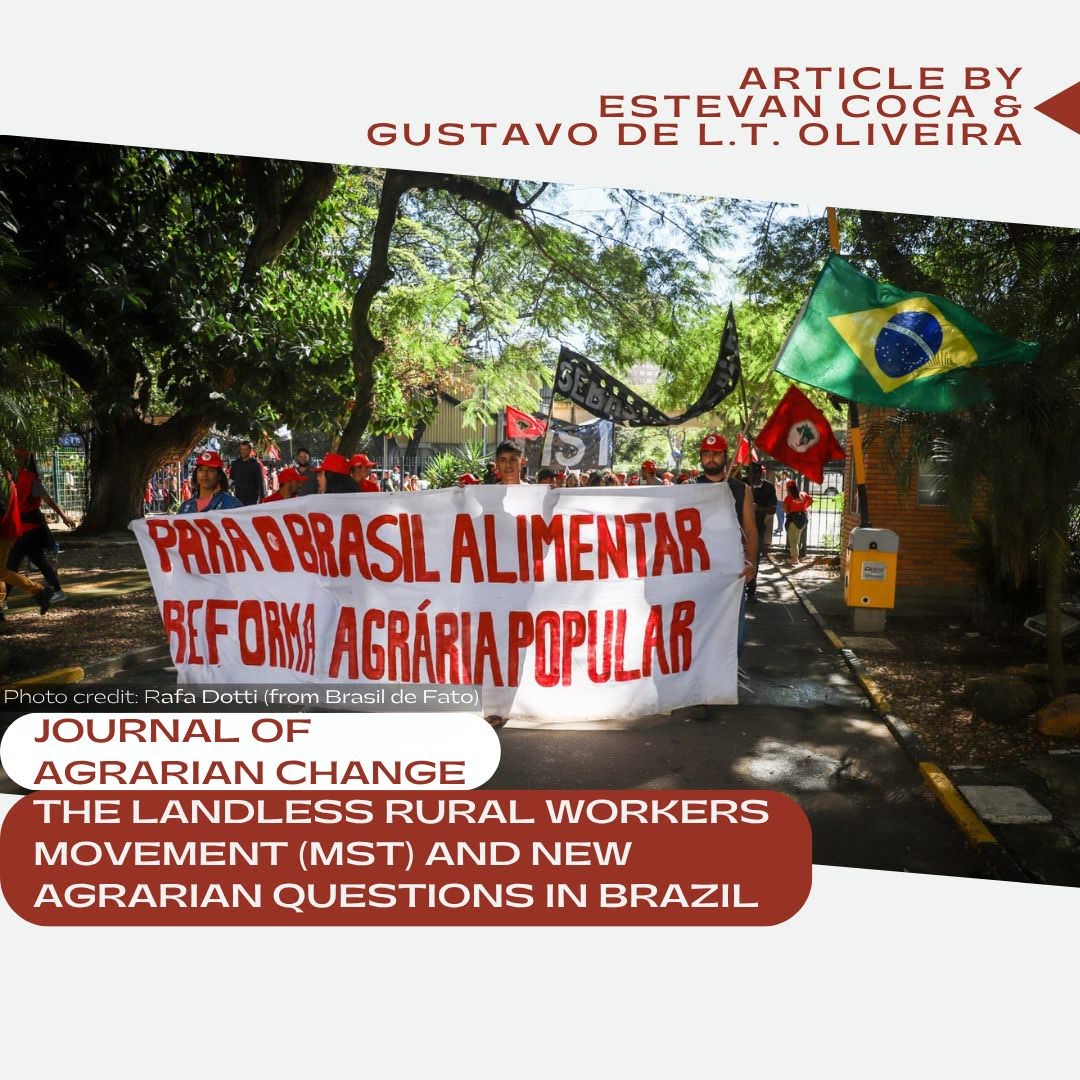
New Publication Alert! CASAS member Estevan Coca has just published this article with Gustavo de L.T. Oliveira in the Journal of Agrarian Change. Abstract: The Landless Rural Workers Movement of Brazil (MST) primarily organized occupations of large-scale farms, forcing the redistribution of land for creation of agrarian reform settlements. In the past 20 years, however, land…
-
Body-Territory Mapping and Feminist Critical Outreach: Lessons from Uruguay
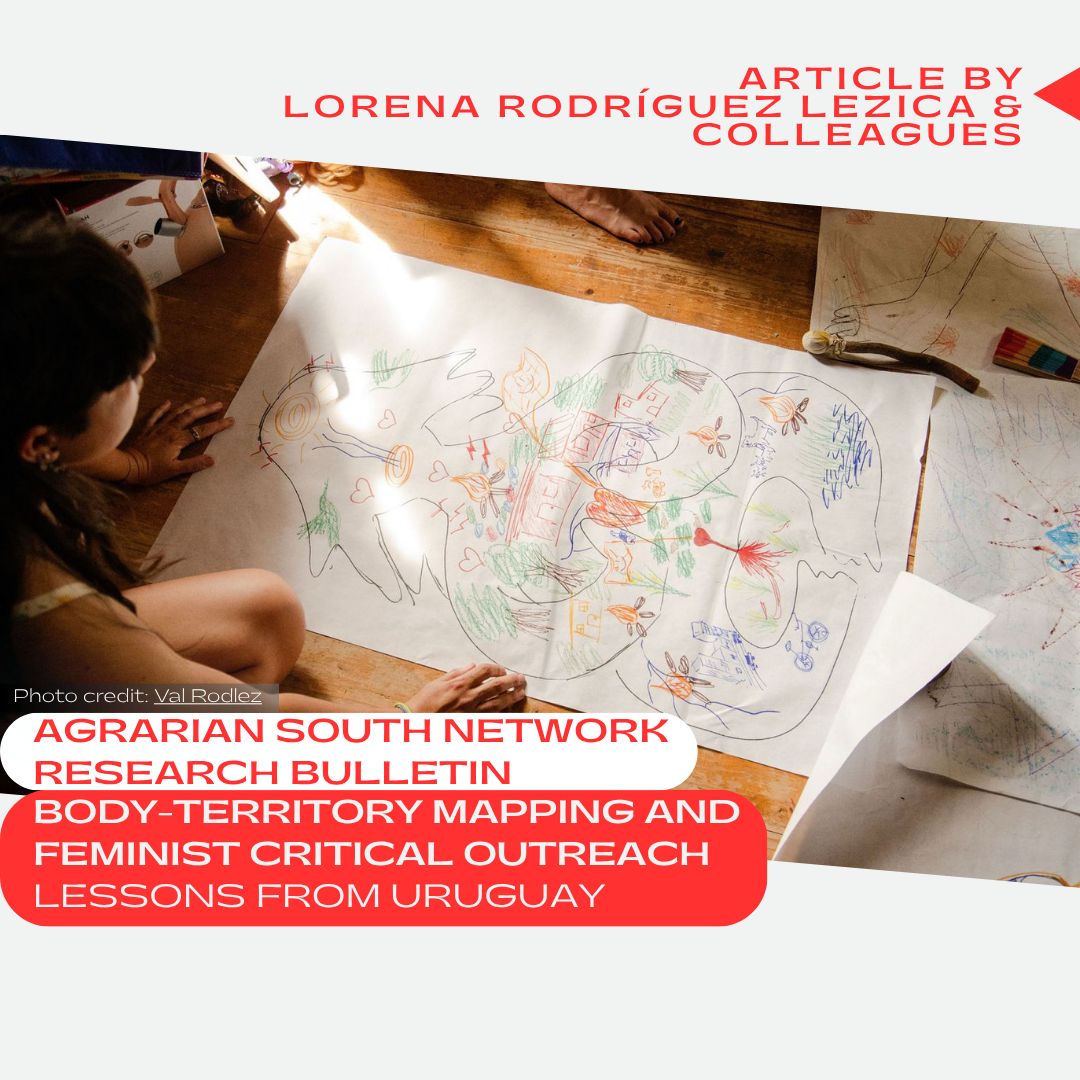
New publication alert! CASAS member Lorena Rodríguez Lezica has recently published this article in Agrarian South Network Research Bulletin with colleagues Gabriela Veras Iglesias, Nat Tommasino Comesaña, and Alicia Migliaro González. This contribution draws on a feminist experience developed in 2025 as part of the Omega Resilience Awards initiative and rooted in a broader process…
-
Defend Colombia’s Agrarian Reform and the 4Rs from the far-right backlash

Help us Defend the Colombian Agrarian Reform CASAS, a network of over 400 academics from around the world, is launching a global campaign supporting Colombia’s Agrarian Reform against far-right backlash. The Colombian Agrarian Reform achieved historical gains: 280,000 ha restituted, 779,000 ha redistributed, 2 million ha formalized, and 25 peasant territories recognized. Through restitution, redistribution,…
-
LVC’s Global Solidarity Campaign: “Against the blockade! Peasant Solidarity, Agroecology and Food Sovereignty!”
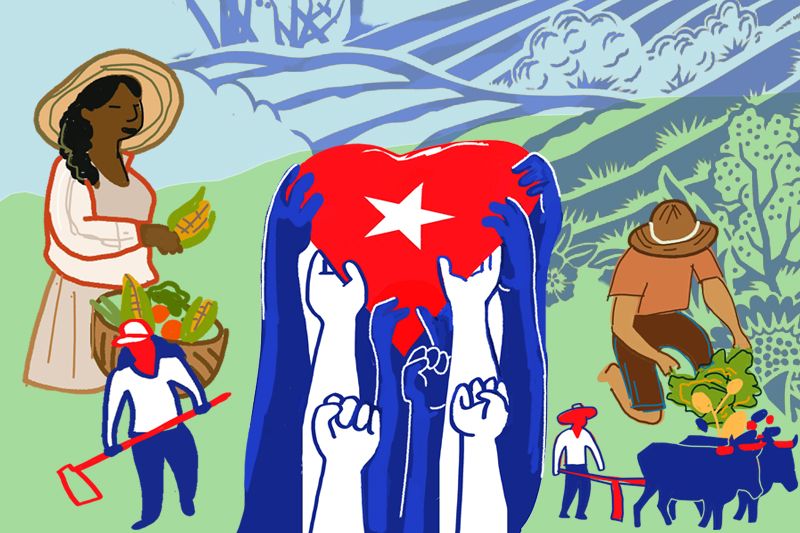
As CASAS, we are sharing the efforts of our ally, La Via Campesina (LCV), in their call for Global Solidarity with the Cuban peasantry. Cuba is in the grip of a punishing economic, commercial and financial blockade imposed by the United States for over 60 years. It has affected electricity generation, transport, healthcare and food…