
CASAS
-
Book review: Migrant Workers in Turkish Agriculture: Patterns of Mobility and Dispossession (1990–2018) by Deniz Pelek
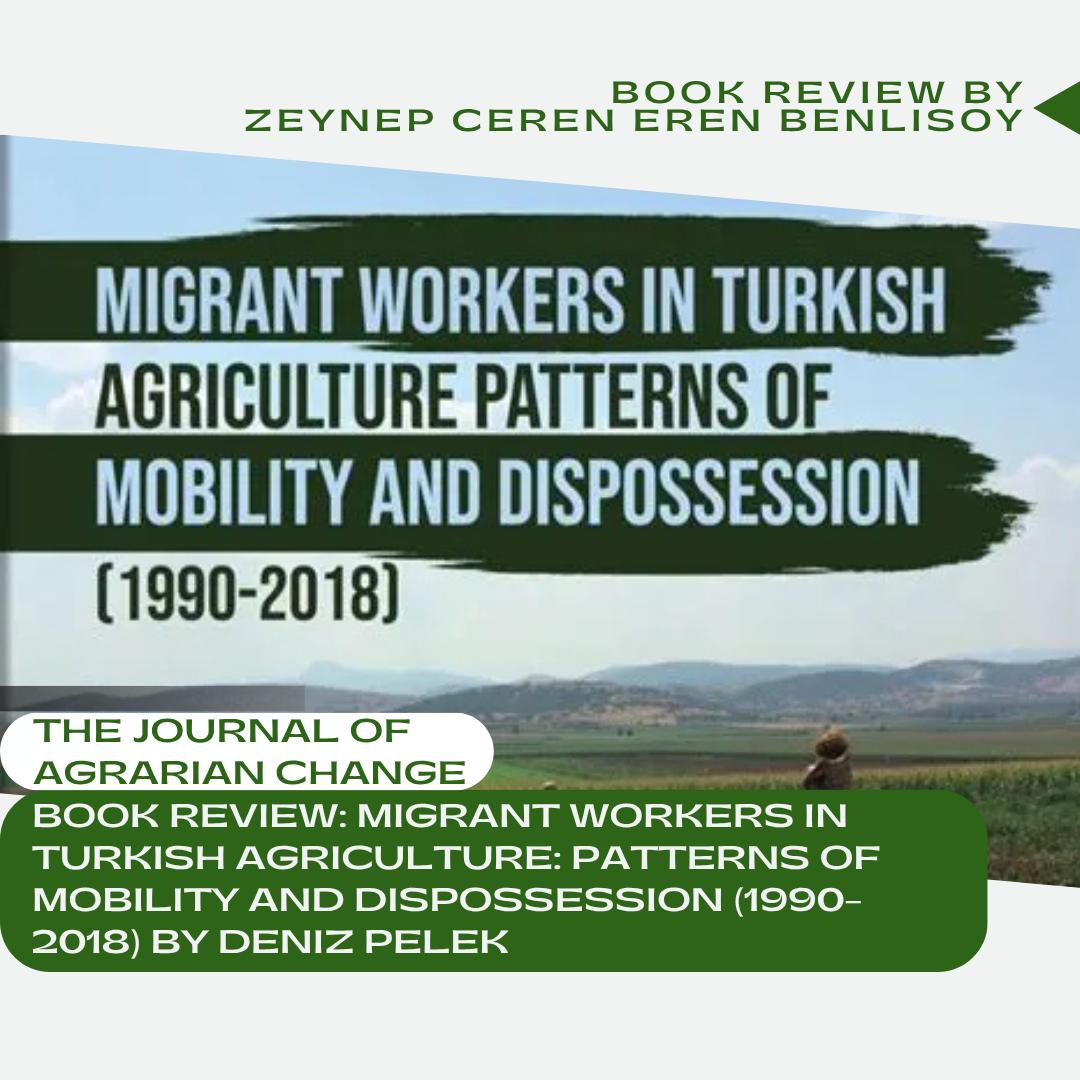
Zeynep Ceren Eren Benlisoy (CASAS’ member) has reviewed this book authored by Deniz Pelek (also a CASAS’ member) in The Journal of Agrarian Change. Zeynep wrote in her review: “Rural Turkey has long been grappling with multiple crises. Neoliberal restructuring, forced displacement, conflict and war have resulted in the mass migration and dispossession of groups…
-
When Plantations Stop Looking Like Plantations: Fire, Plantation Logics, and Forest Use in the Uttarakhand Himalaya
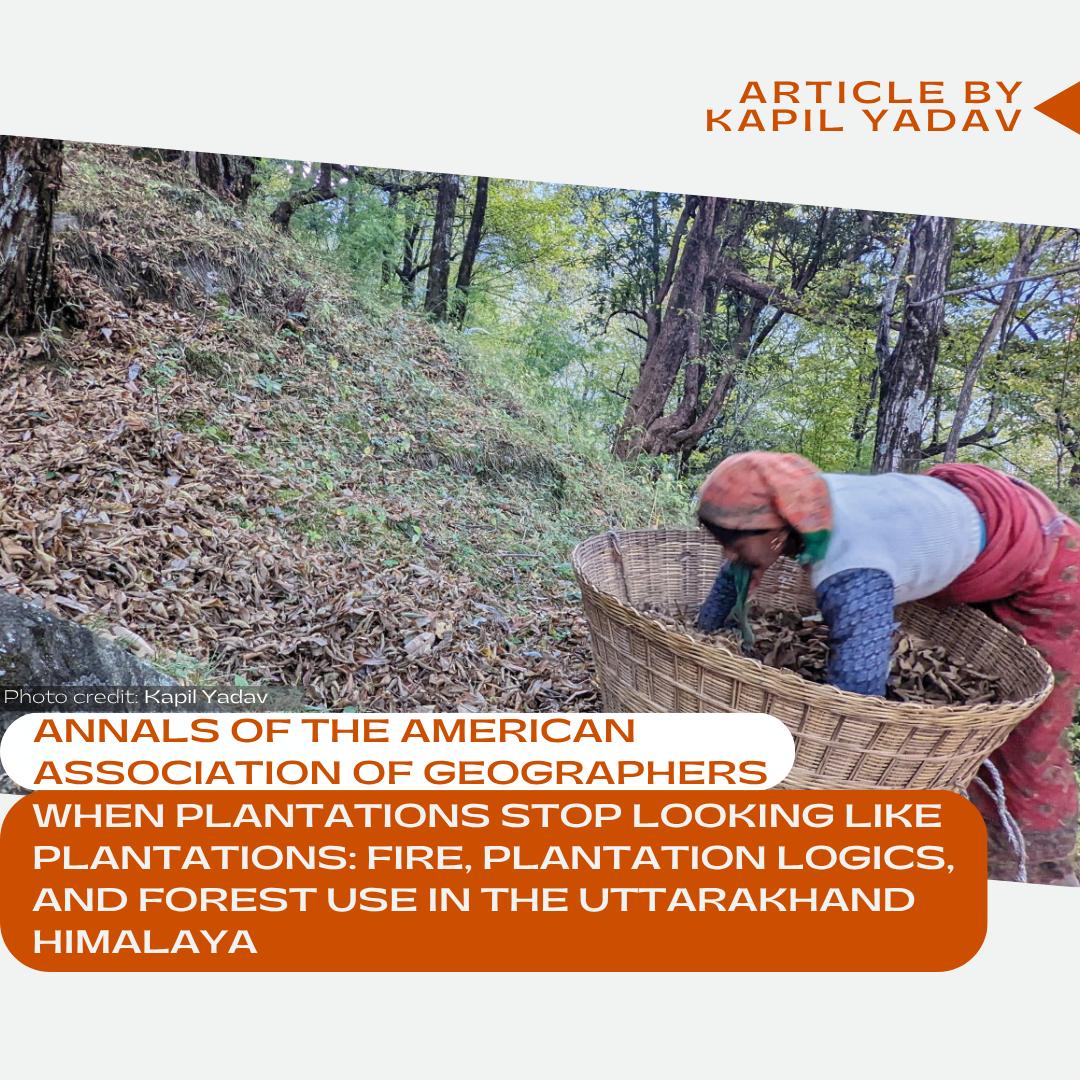
Kapil Yadav (CASAS’ member) has published this article in the Annals of the American Association of Geographers. Abstract: This study examines forest fires in the Indian Himalayan state of Uttarakhand by shifting attention from ignitions to the historical production of flammable landscapes. It situates contemporary fire regimes within longer histories of landscape transformation and everyday…
-
Between compliance and contestation: Entanglements of co-option and resistance in the China-Pakistan Economic Corridor
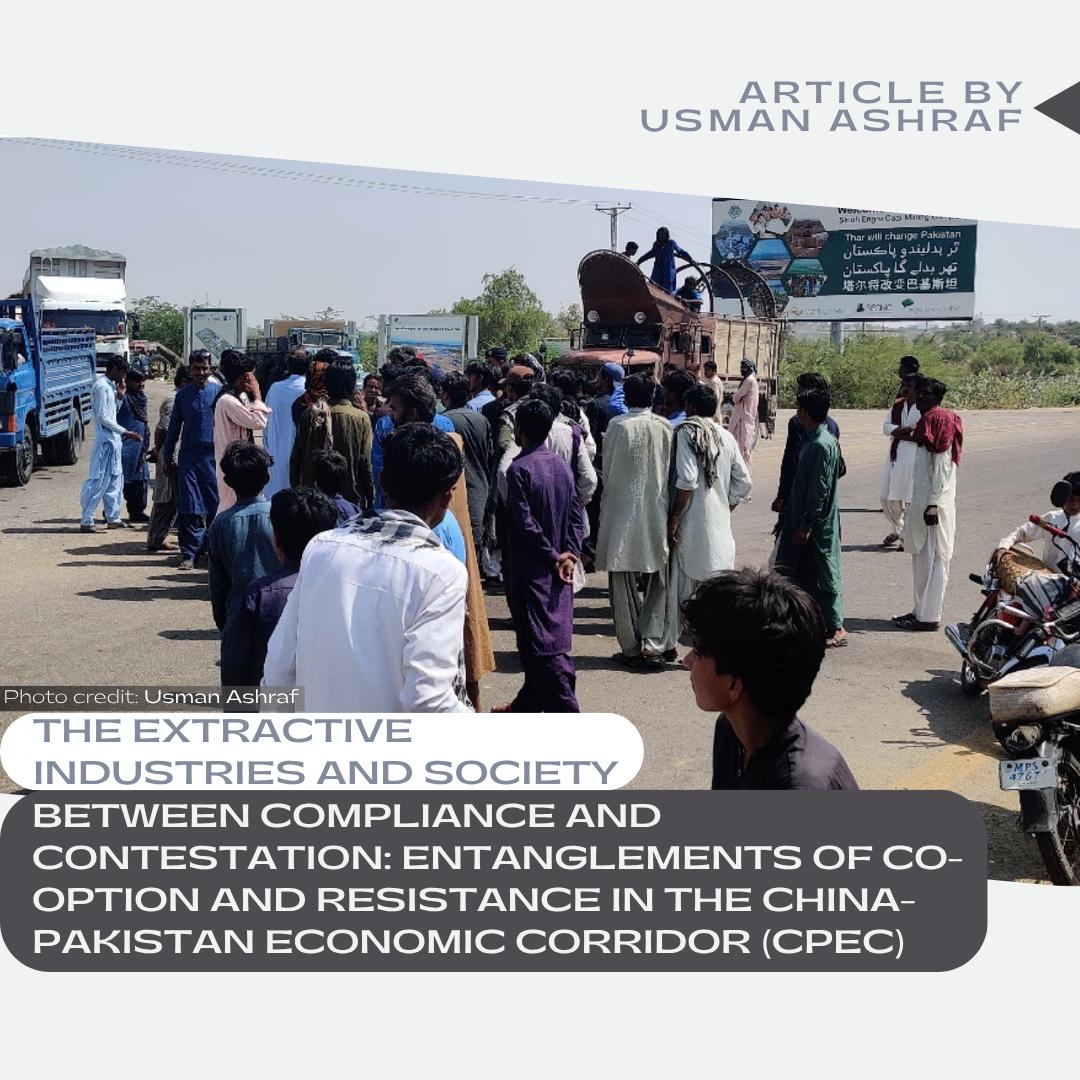
CASAS’ member Usman Ashraf has published this article in The Extractive Industries and Society journal. Abstract: This research demonstrates that co-option and resistance in extractive sectors are not mutually exclusive, but rather, they are co-produced and coexist as messy entanglements. The type of resistance analyzed here did not seek a mine closure but was instead…
-
Where Are We Now? The State of Agrarian Reform and Rural-Agrarian Struggles in the Philippines from the Perspective of a Contemporary Agrarian Movement
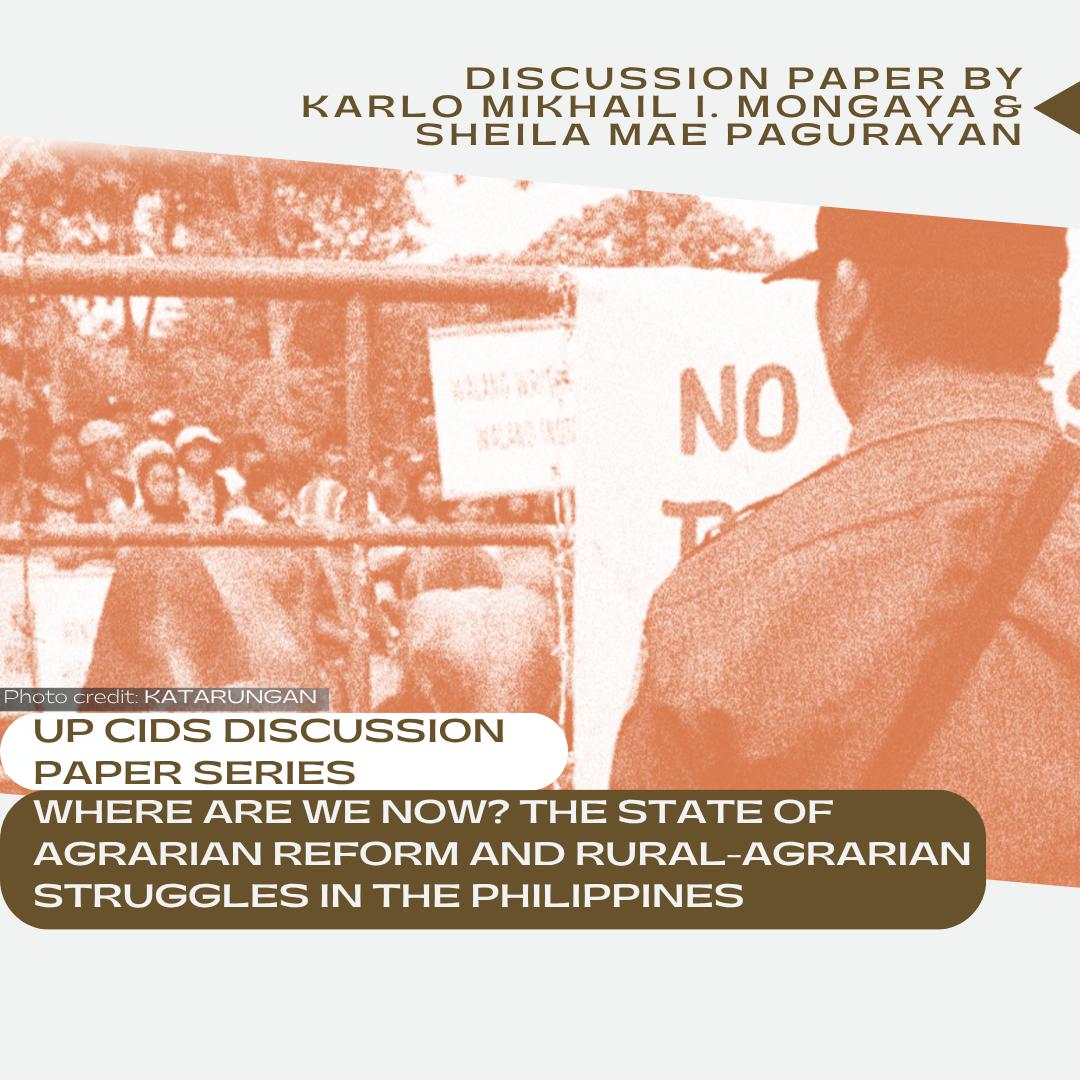
Karlo Mikhail I. Mongaya (CASAS’ member) has published this UP CIDS discussion paper with Sheila Mae Pagurayan. Abstract; Thirty-eight years after the signing of the Comprehensive Agrarian Reform Program (CARP), the quest to democratize land politics in the Philippine countryside remains fraught with persistent and developing challenges. This paper draws on participatory action research with…