
CASAS’ members publications
-
From co-presence to zoning: Dayak Iban–orangutan relations and everyday territorialization in West Kalimantan
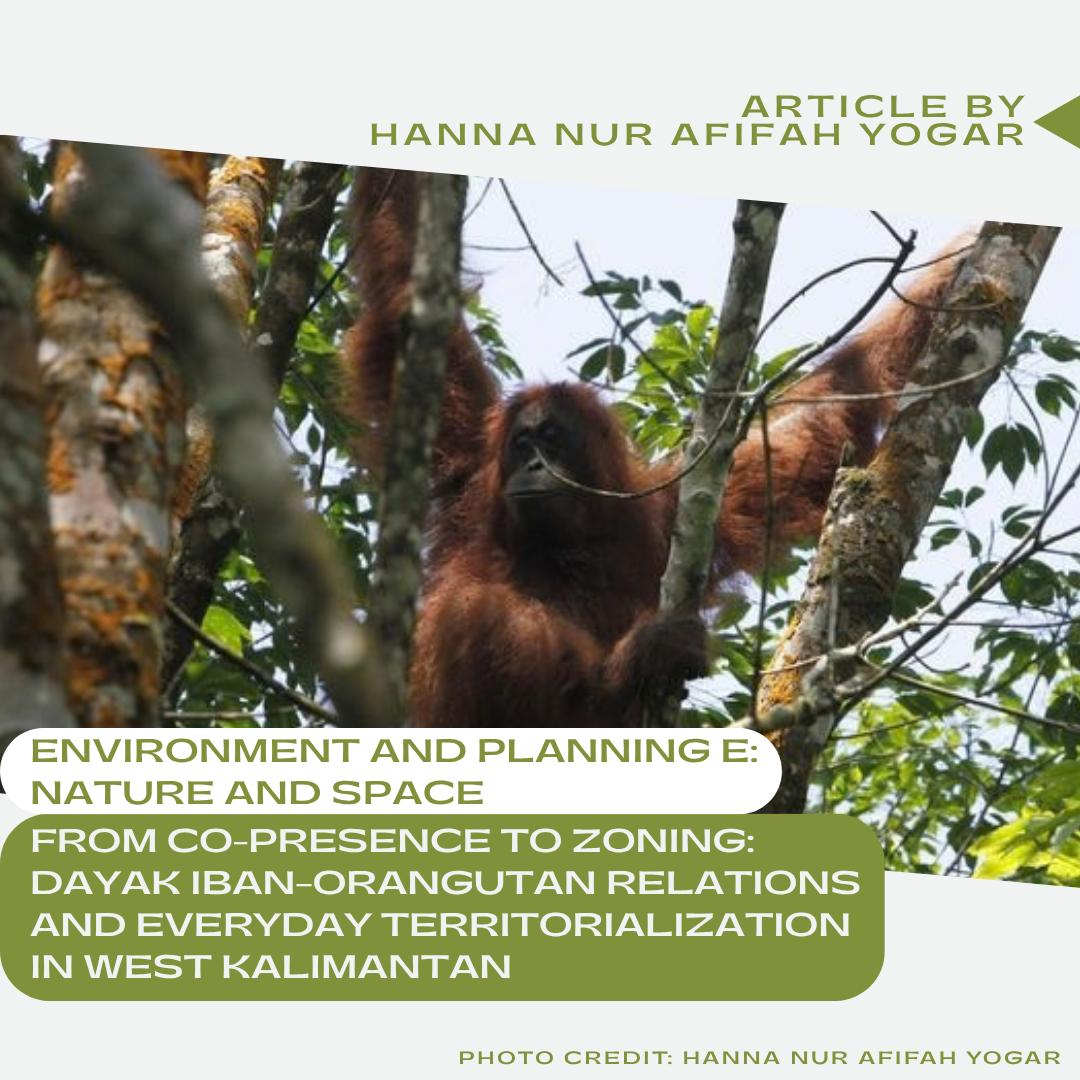
CASAS’ member Hanna Nur Afifah Yogar has published this paper in Environment and Planning E: Nature and Space. Abstract: This study examines how overlapping territorial regimes, specifically state conservation zoning, industrial plantation frontiers, and customary tenure, generate divergent socio-ecological pathways and human–orangutan relations in two Dayak Iban communities in West Kalimantan, Indonesia. Utilizing a retroductive…
-
Why Fire Suppression Persists: Territorial Politics and the Criminalisation of Fire in India’s Political Forests
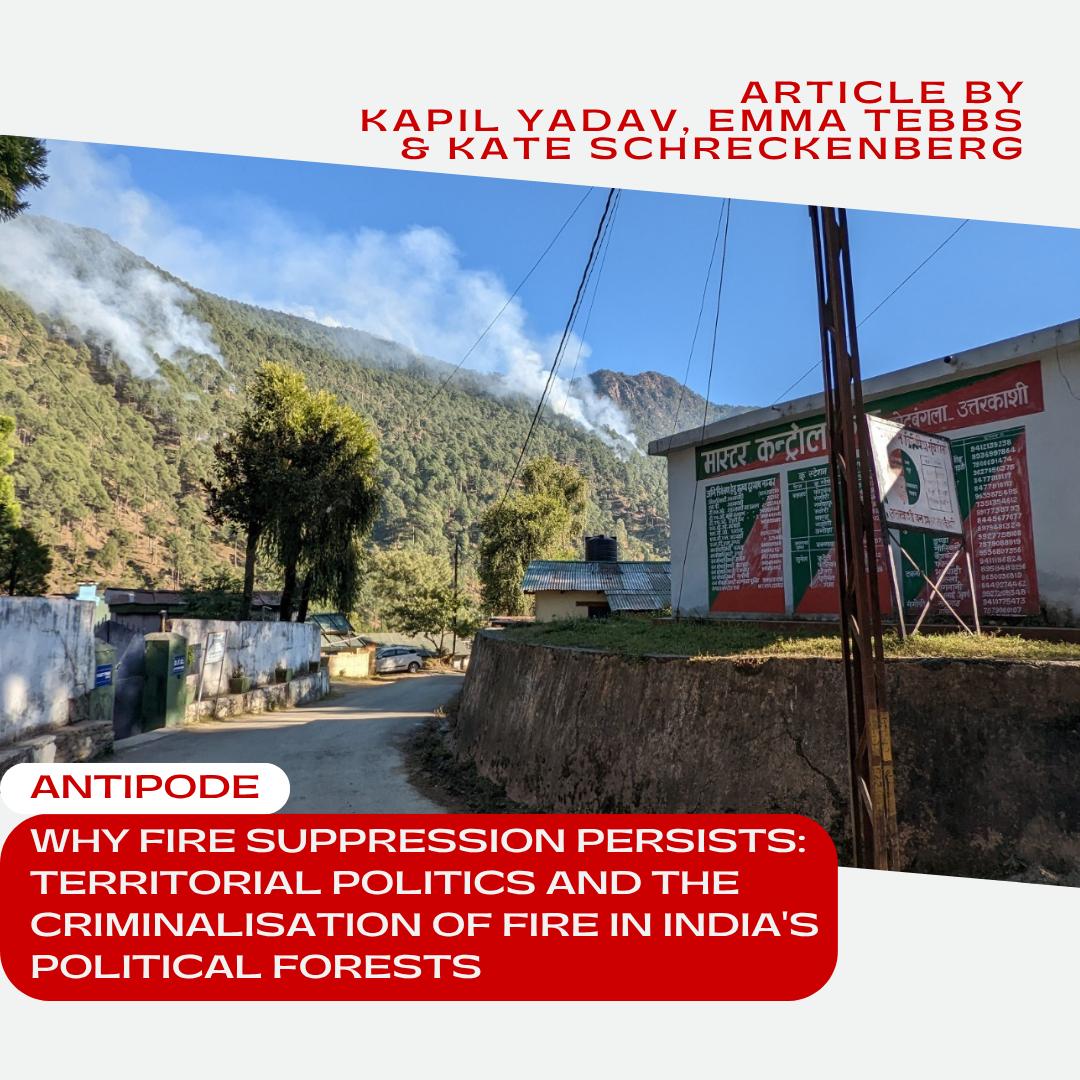
CASAS’ member Kapil Yadav has published this article with Emma Tebbs & Kate Schreckenberg in Antipode. Abstract: Why does fire suppression remain central to forest governance globally, despite the increasing recognition of fire’s ecological and livelihood significance? This study examines the persistence of fire suppression in India, arguing that it continues not for ecological reasons…
-
Rural women and coping with extreme heat in South Western Zimbabwe: livelihoods, water and energy
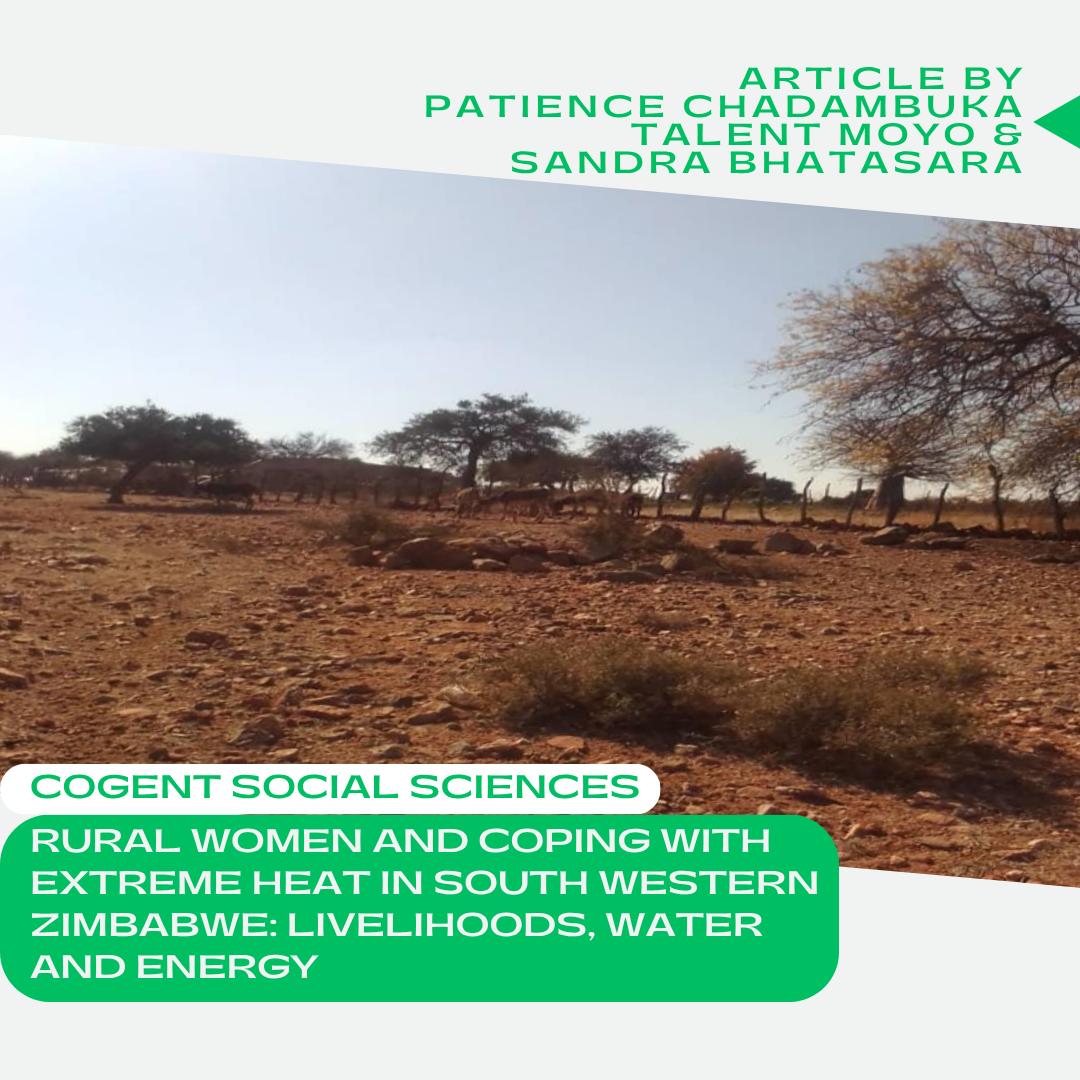
Patience Chadambuka (CASAS’ member) has published this article with colleagues Talent Moyo & Sandra Bhatasara in Cogent Social Sciences. Abstract: This article focuses on rural women’s agency and innovation in the context of the global acceleration of climate change-induced extreme heat. Specifically, it considers the intersecting challenges encountered in relation to livelihoods, water, and energy,…
-
Financing critical-mineral infrastructure in Sub-Saharan Africa: Developmental de-risking or green financial extractivism in the DRC and Zimbabwe?
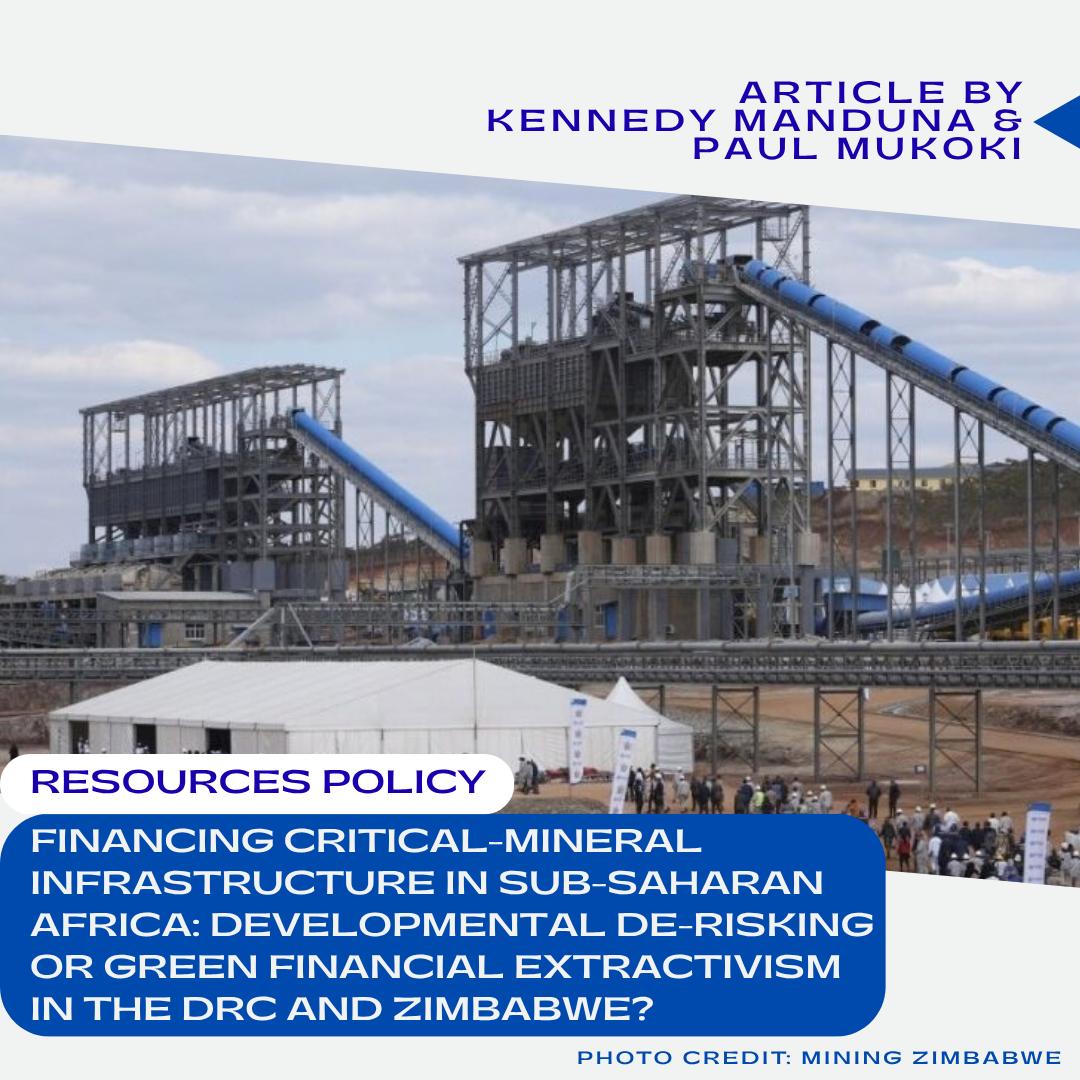
Kennedy Manduna (CASAS’ member) and Paul Mukoki have published this paper in Resources Policy. Abstract: The global shift towards low-carbon energy systems has heightened demand for copper, cobalt, and lithium, driving investment in African mineral projects. However, developmental outcomes are shaped not only by extraction and processing but also by the financial structures underpinning these…